How do companies scale sales teams 3x year over year?
Scaling a sales team 3x a year takes more than hiring. See the recruiting math, onboarding, and pay systems that hold up, and how Sequifi supports them.
Direct answer
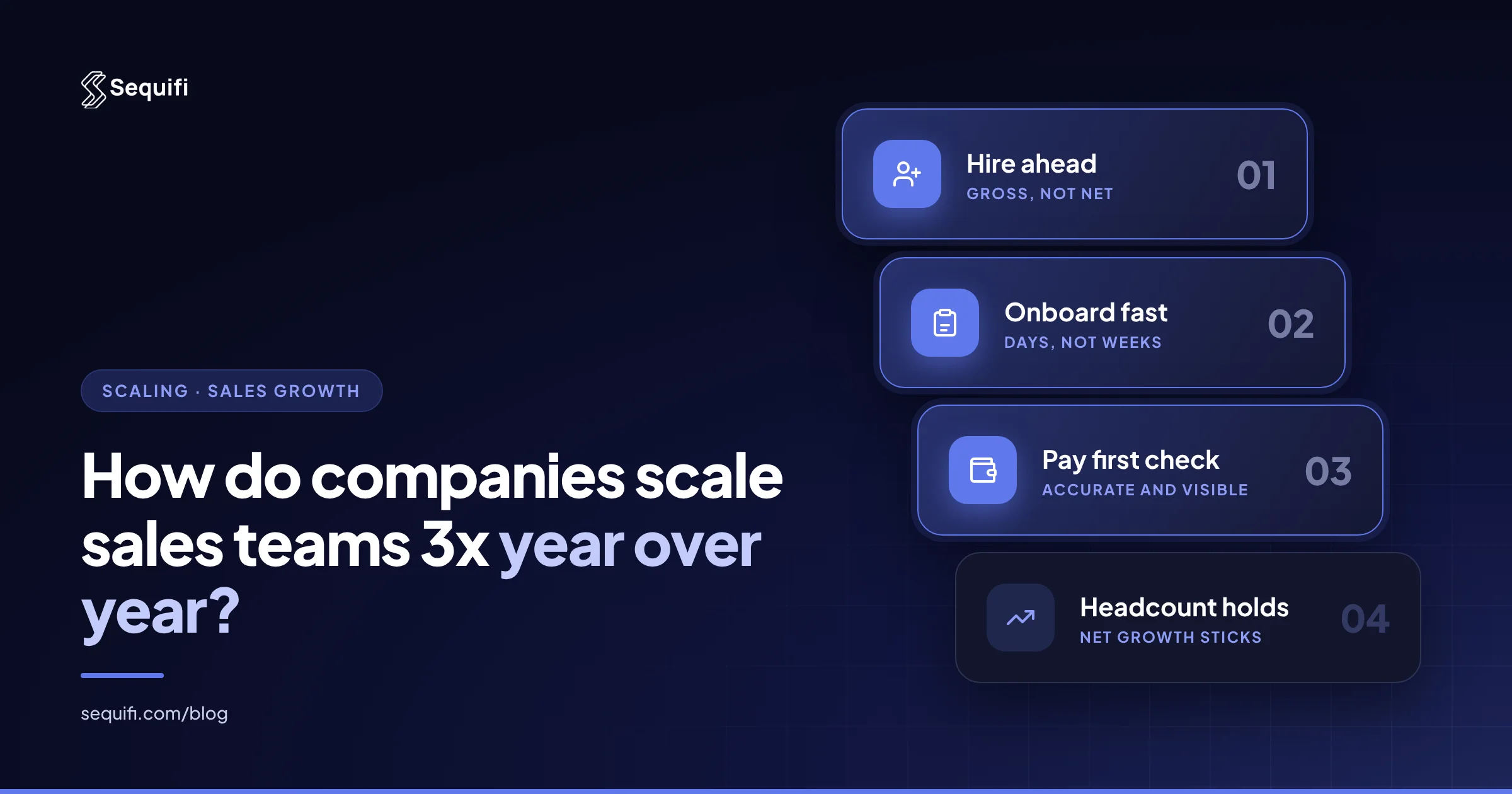
Companies that scale sales teams 3x year over year treat growth as an operations problem, not only a hiring problem. They hire well beyond net headcount to cover attrition, onboard reps in days instead of weeks, pay new reps accurately and fast so they stay, and run commissions and payroll from one system so volume does not multiply admin work. Headcount follows the systems. When the systems lag, growth stalls or turns into churn.
Breakdown
- Recruiting math: plan gross hires, not net headcount. Tripling a team usually means hiring two to three times your starting size in a year.
- Onboarding speed: measure days from offer to first knock, first call, or first deal, and cut every manual step.
- First-90-day retention: the first commission check decides whether a new rep stays.
- Comp plans built to copy: a small set of plan templates, not a custom plan per manager.
- One source of pay truth: deals, triggers, commissions, and payroll in one record.
- Manager capacity: promote and train team leads before you need them, and pay overrides correctly.
Deep dive
Most teams that try to triple fail in the back office, not in the field. Recruiting can usually find the people. The breakdown comes when onboarding, pay, and reporting cannot keep up with the people recruiting found.
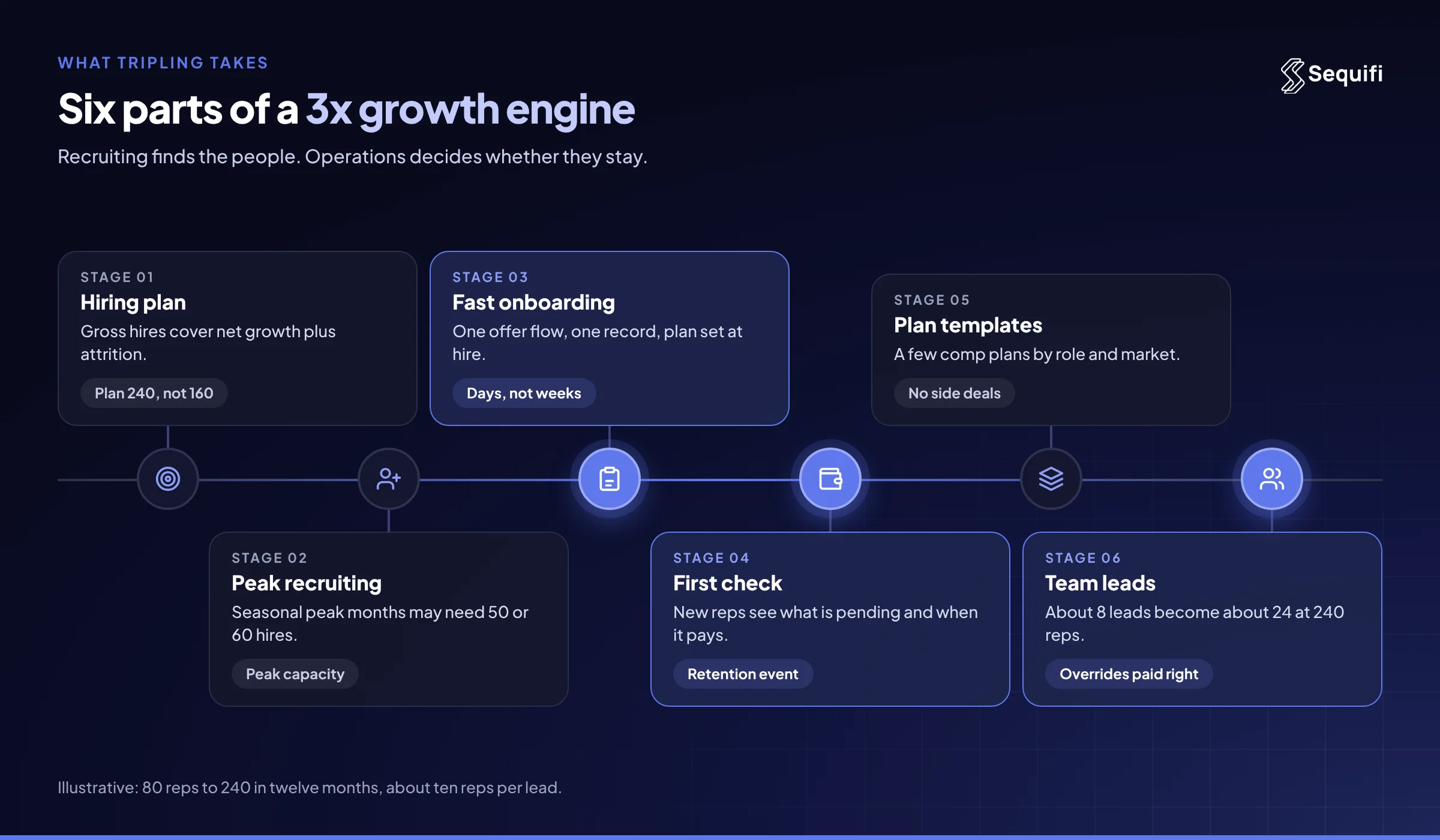
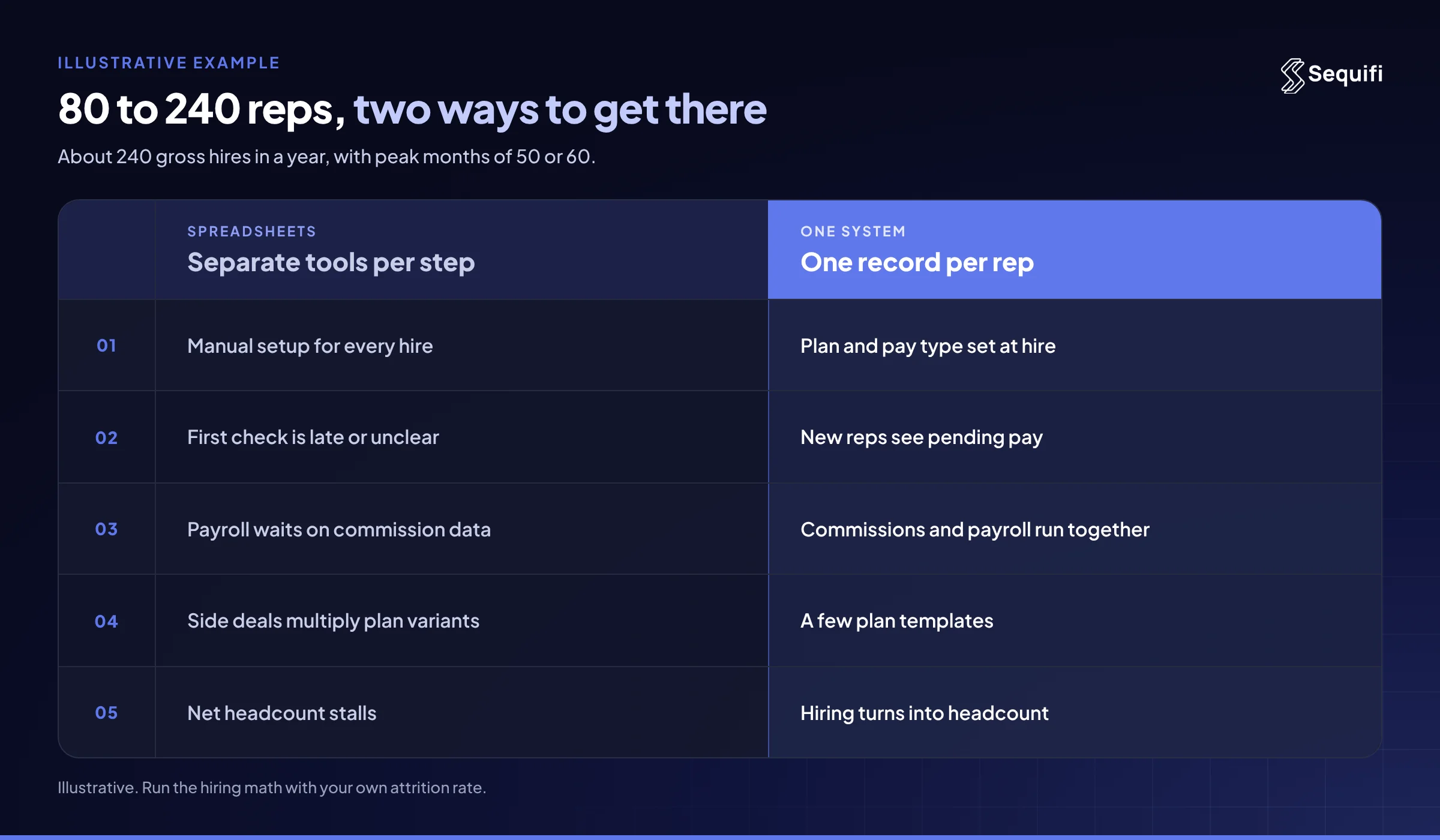
Start with the hiring math (illustrative). Say you have 80 reps today and want 240 in twelve months. Net growth is 160 reps. Now add attrition. Commission sales teams often lose a large share of new reps in the first few months; for this example, assume you lose reps equal to half your average headcount over the year. Average headcount is about 160, so about 80 reps leave. Gross hires needed: 160 plus 80, or 240 reps. That is three times your starting team, hired in one year, about 20 a month on average. Seasonal teams in solar, pest control, and home services will bunch most of that into a few spring months, so peak months may be 50 or 60 hires. These numbers are assumptions; plug in your own attrition rate.
The lesson is that a 3x headcount goal is really a hiring plan of three times your starting team or more, and higher attrition pushes it to four or five times. Every point of early attrition you remove cuts the hiring load. Our breakdown of the cost of losing a sales rep shows why that matters.
Onboarding is the throttle. If each new rep needs a paper packet, a manual payroll setup, a separate commission profile, and a CRM login built by hand, 50 hires in a month means hundreds of admin tasks. Fast-scaling teams template all of it: one offer flow, one record per rep, the right plan and pay type assigned at hire. Remember the compliance clock too. Employers must report new hires to their state within 20 days of hire under federal new hire reporting rules, and some states require it sooner. See our guide to sales rep onboarding for the full checklist.
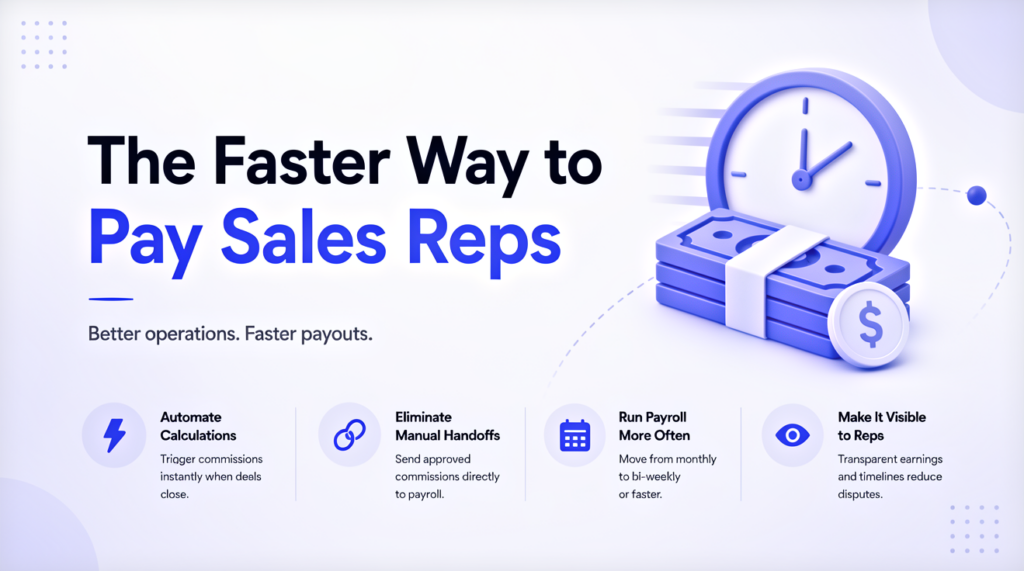
The first check is the retention event. A new rep who closes deals in week two and then waits five weeks to see a dollar, or gets a check they cannot reconcile, starts interviewing. In fiber, the deal may not pay until activation. In solar, until install. That delay is built into the plan, so make it visible: show each new rep what is pending, what triggered, and when it pays. Where your plan allows it, paying on a qualifying event the same day turns a new rep's first sale into proof the job works.
Comp plans must be copyable. At 80 reps, a manager can run a side deal for one recruit. At 240, side deals become dozens of plan variants nobody can audit. Pick a few templates by role and market, and change them on a schedule.
Mixed workforces need clean classification. Fast growth often means adding 1099 setters or regional contractors next to W-2 closers. Classification is a legal question, not a cost choice. Review the Department of Labor's guidance on misclassifying employees as independent contractors and have counsel review your roles. This is general information, not legal advice.
Managers are a constraint, too. If each team lead runs about ten reps, tripling from 80 reps means going from about 8 leads to about 24. Those leads come from your best reps, and they will check that overrides are paid correctly before they take the job.
What breaks at scale
At 50 reps, the founder knows every rep and every deal. Payroll is one person with a spreadsheet, and errors get fixed with a quick text.
At 200 reps, the spreadsheet becomes several spreadsheets. Plans differ by market and start date. Overrides depend on team totals that change daily. Payroll runs slip because commission numbers arrive late, and new reps wait longer for their first check right when they are most likely to quit. Managers spend payday week answering pay questions instead of recruiting and coaching.
At 500 reps, across several states, the gaps compound. The CRM, the commission tool, and payroll each hold a different number. Multi-state tax setup, W-2 and 1099 mixes, and clawbacks on canceled deals all land on a small payroll team. Hiring keeps pace, but net headcount does not, because new reps churn out as fast as they come in. We cover the payroll side in how to scale a sales team without payroll breaking and the root causes of payroll errors that show up first.
How Sequifi solves this
Sequifi is built for any high-velocity sales org with multi-trigger comp plans, including solar, fiber, pest control, mortgage, insurance, and home services. Three capabilities matter most when you are tripling:
- Rapid rep onboarding. Sequifi is built to onboard hundreds of reps a month, with plan and pay type set at hire.
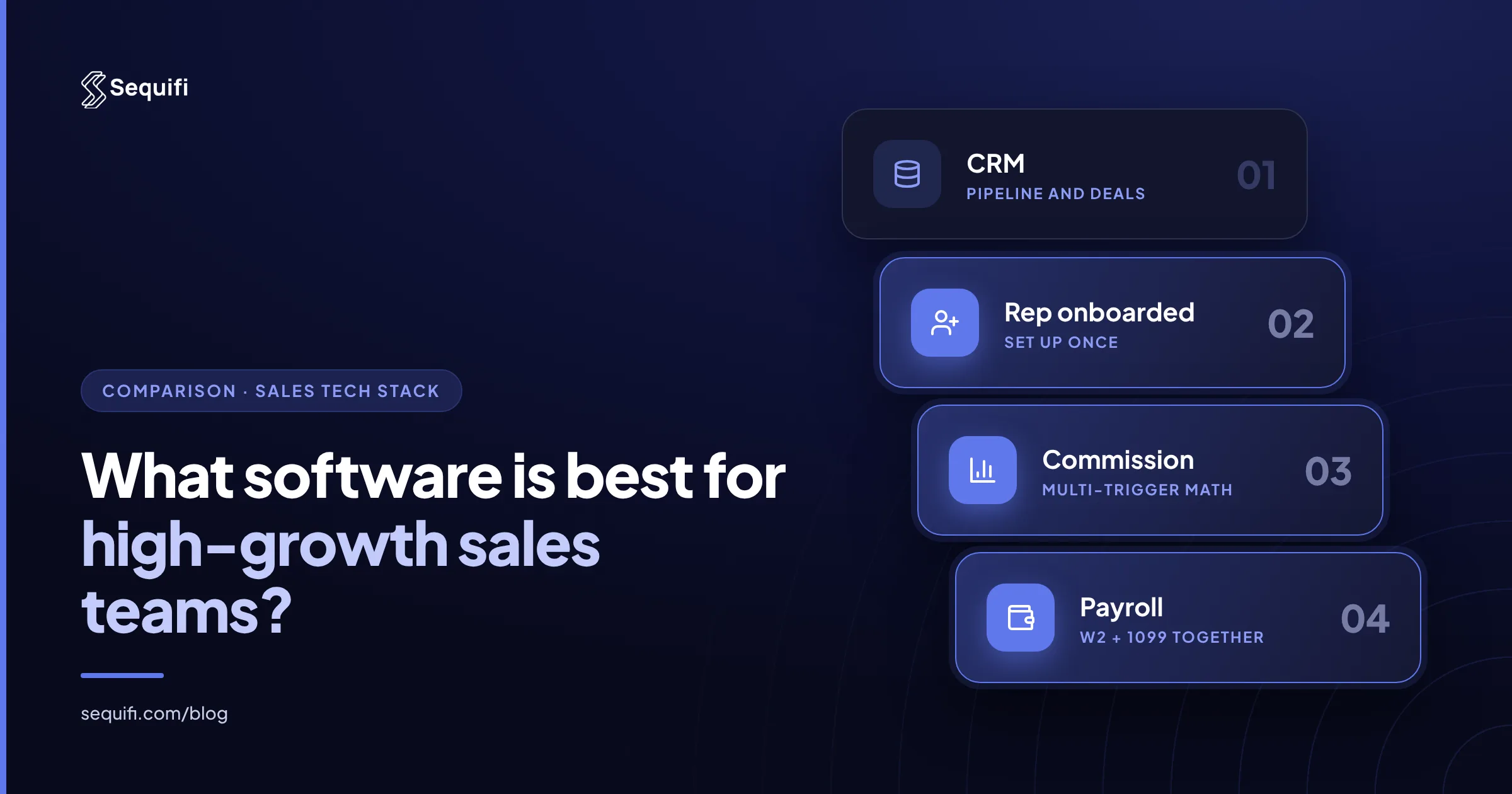
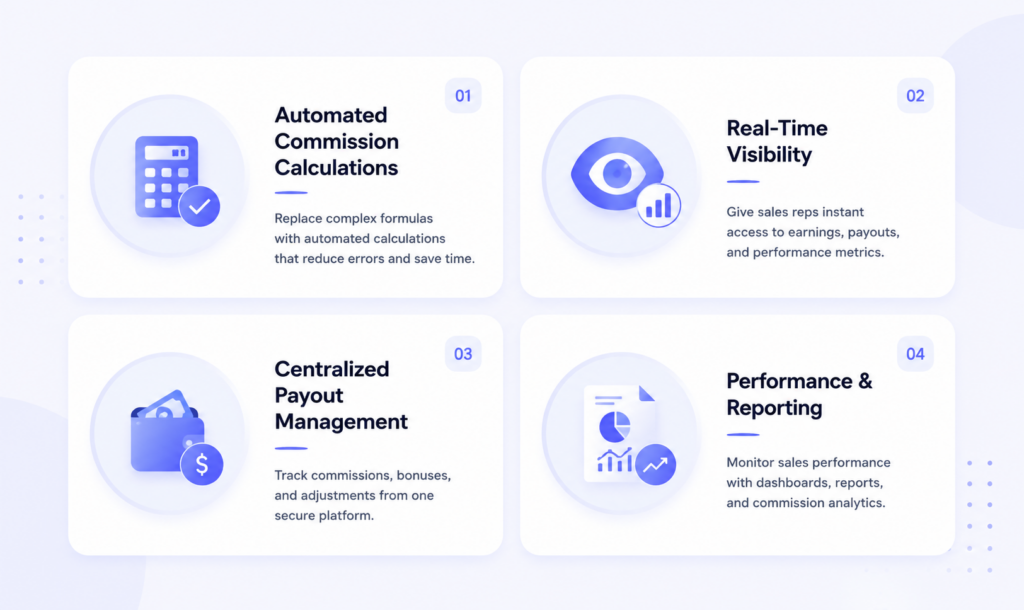
- One commission engine with W-2 and 1099 payroll. Closes, installs, activations, overrides, and clawbacks are calculated and paid in one system, so volume does not mean more reconciliation.
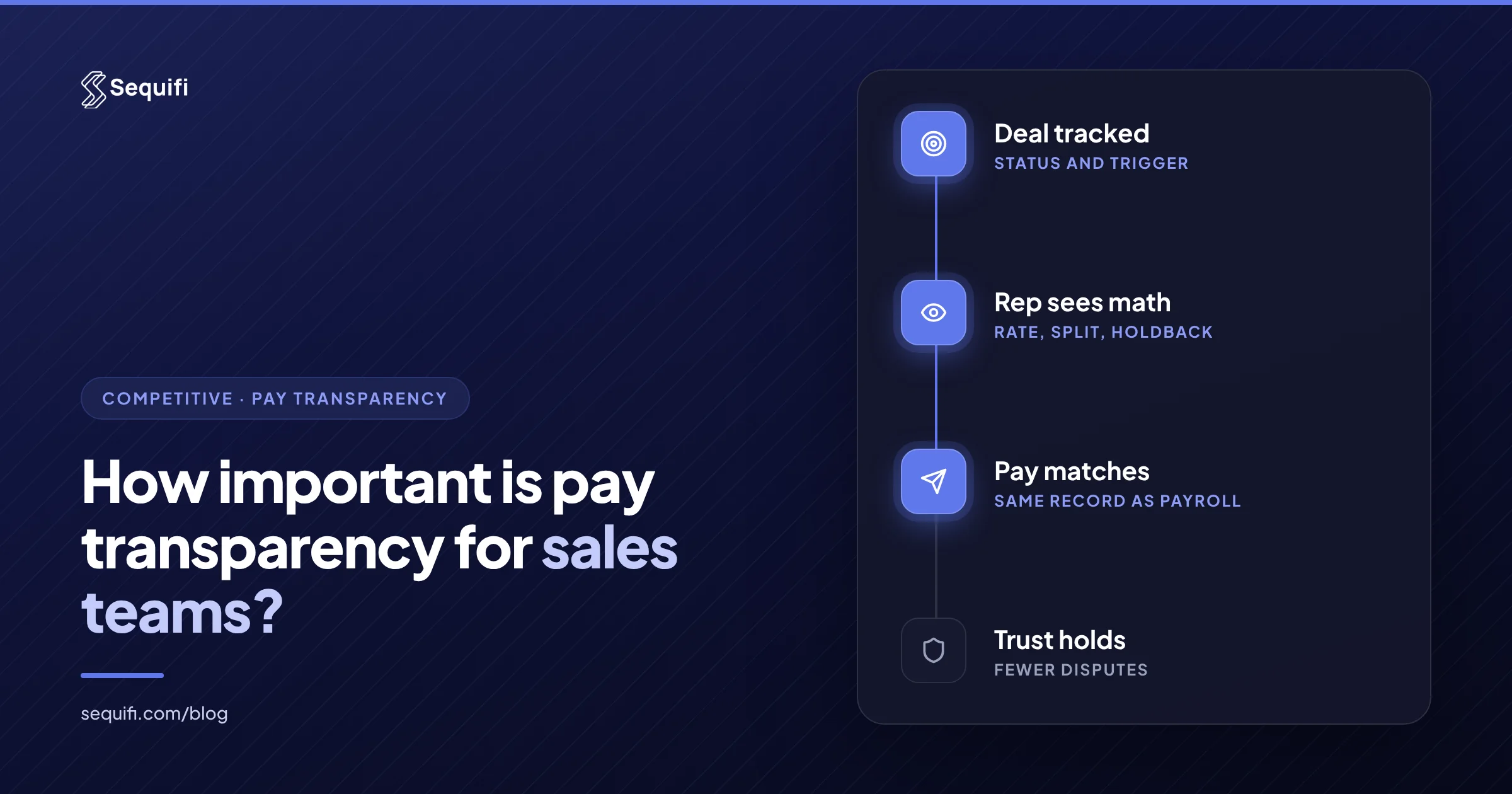
- Same-day pay and rep-facing dashboards. New reps can be paid on qualifying events and can see every deal, trigger, and pending amount, which makes the first check easier to trust.
Frequently asked questions
How many reps do you need to hire to triple a sales team?
More than double your starting headcount, and often more than triple. Net growth to 3x is two times your current team. Add the reps you will lose to attrition during the year, which for commission teams can be substantial. Model it with your own early-attrition rate, then plan recruiting capacity for your peak months, not the monthly average.
What is the biggest bottleneck when scaling a sales team fast?
Usually onboarding and pay, not recruiting. Teams can often find candidates, but slow setup delays a rep's first deal, and slow or confusing first checks push new reps out. Fix the time from offer to first deal and from first deal to first payment, and the same recruiting effort produces more net headcount.
Should a fast-growing team change its commission plan?
Simplify it before you scale it. Move to a few templates by role and market, write down every trigger, and stop one-off deals. Change plans on a set schedule with notice to reps. A plan that one manager can explain from memory may not survive 200 reps who compare checks with each other.
When should a sales team replace spreadsheets for commissions and payroll?
Before the growth year, not during it. A good trigger is any of these: more than about 100 reps, more than one pay trigger per deal, a mix of W-2 and 1099 reps, or payroll runs that wait on commission numbers. Migrating systems during peak hiring season adds risk exactly when errors cost the most.
How do you keep new reps from quitting in the first 90 days?
Get them to a first deal quickly and pay them correctly. Show them what is pending and when it will pay. Pair them with a lead who has time to coach. Fast, accurate, visible pay is one of the few retention levers that operations controls directly, and it works alongside training and fair territory assignments.
Conclusion
Tripling a sales team in a year is possible, but the math is unforgiving. Attrition turns a 3x headcount goal into a much larger hiring plan, and every manual step in onboarding and pay multiplies with it. The companies that pull it off build the systems first: copyable comp plans, fast onboarding, one record for commissions and payroll, and a first check new reps can trust. As a next step, run the hiring math above with your real attrition rate and count the manual steps between offer and first paycheck. To see how one system handles that load, see how Sequifi supports a team that triples.
See Sequifi run your kind of pay.
Commissions, payroll and HR in one platform, built for teams where every paycheck is different.
Book a demo